

Children’s educational needs change significantly as they grow, develop new abilities, and discover their interests. The learning environment that works well for an infant may not provide the structure or challenges an elementary student needs. As children enter adolescence, their educational priorities often expand to include greater independence, specialized interests, and preparation for future careers. Choosing appropriate educational opportunities at each stage can help families support both academic progress and personal development.
Parents have many factors to consider when evaluating educational options, including teaching philosophies, classroom environments, extracurricular activities, and student support. Rather than focusing exclusively on academic reputation, families should consider how well a particular environment fits their child’s needs and personality. Understanding the available pathways makes it easier to make informed decisions, recognize new opportunities, and adjust educational plans as children mature.
Identify Quality Childcare That Supports Early Development
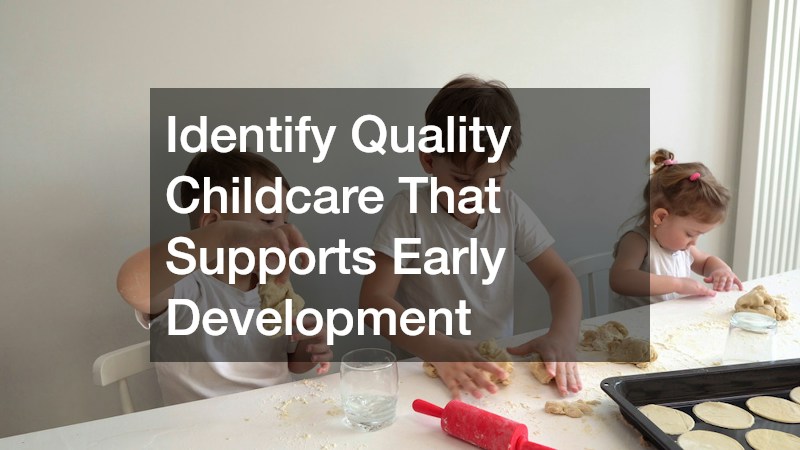
Early childcare introduces children to experiences outside their immediate family environment. The right setting can provide opportunities for social interaction, communication, play, and developing independence. When comparing good daycares, parents should look beyond convenience and consider how caregivers interact with children throughout the day.
A welcoming environment should provide age-appropriate activities, consistent supervision, and predictable routines. Parents should also evaluate how staff communicate about children’s progress, daily experiences, and individual needs.
Important considerations when visiting childcare facilities include:
-
Staff qualifications: Ask about caregiver training, experience, and ongoing professional development.
-
Safety procedures: Review visitor policies, emergency plans, and supervision practices.
-
Classroom conditions: Look for clean, organized spaces with appropriate toys and learning materials.
-
Daily routines: Understand how meals, naps, playtime, and transitions are handled.
-
Family communication: Find out how caregivers share updates and address concerns.
Parents should also observe how children respond to caregivers. Positive interactions, attentive supervision, and opportunities for exploration can provide useful insight into the quality of the environment.
Prioritize Responsive Care During the First Year of Life
Infants require attentive care that accommodates their changing developmental needs. During the first year, feeding, sleeping, sensory exploration, and responsive interactions are central parts of daily life. Families evaluating infant care should look for environments that recognize these individual needs rather than expecting every baby to follow an identical schedule.
Caregiver consistency is particularly important. Parents should understand who will be responsible for their child throughout the day and how the facility handles changes in routines, feeding preferences, and sleep requirements.
Before selecting a program, ask about:
-
Safe sleep practices and infant supervision.
-
Procedures for preparing and storing breast milk or formula.
-
Diaper-changing and sanitation routines.
-
Opportunities for supervised, age-appropriate play.
-
How caregivers communicate feeding, sleeping, and developmental updates.
It is also helpful to discuss how the facility responds when an infant becomes unsettled or needs additional attention. Families should feel comfortable asking questions and sharing information about their baby’s routines. Consistent communication between caregivers and parents makes it easier to provide responsive care.
Choose Early Learning Environments That Encourage Exploration
Preschool gives children opportunities to develop foundational skills through structured activities, play, and interaction with others. When comparing local private preschools, families should consider how each program approaches early learning and whether its daily activities encourage curiosity and participation.
Some programs emphasize creative exploration, while others incorporate more structured lessons or specialized enrichment. Neither approach is automatically right for every child. Parents should consider their child’s personality, interests, and readiness for different learning experiences.
During school visits, pay attention to:
-
Classroom organization and access to age-appropriate materials.
-
Opportunities for storytelling, music, art, and imaginative play.
-
Teacher interactions and guidance during group activities.
-
Outdoor play and opportunities for physical development.
-
How teachers encourage sharing and cooperation.
It is also important to compare schedules, tuition, enrollment policies, and communication practices. Ask how teachers observe developmental progress and share information with families. A preschool should provide an environment where children can explore new ideas, practice emerging skills, and become more comfortable participating in group settings.
Compare Teaching Approaches That Build Independence and Confidence
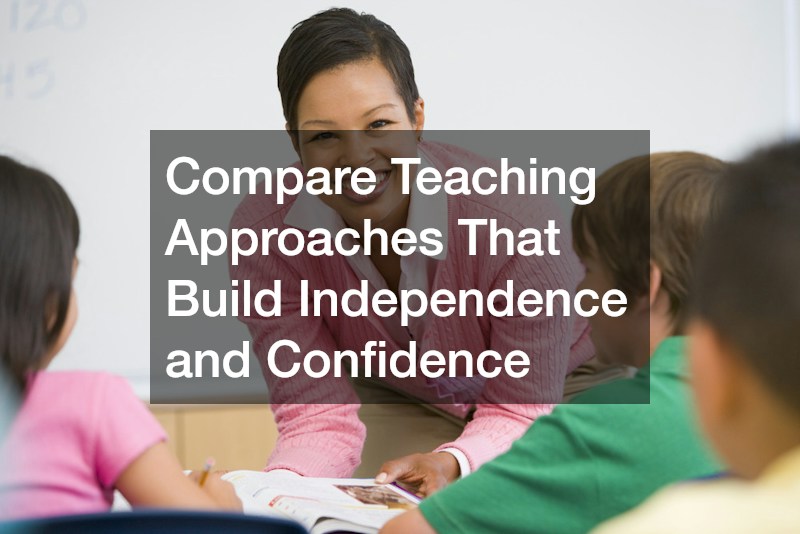
Educational philosophies influence how children interact with teachers, learning materials, and classmates. Some approaches emphasize direct instruction, while others encourage students to explore concepts independently and learn through hands-on activities.
Montessori schools, for example, commonly emphasize independent exploration, purposeful classroom materials, and opportunities for students to work at their own pace. Children may choose activities within an organized learning environment while teachers provide guidance and support.
When comparing educational approaches, consider:
-
Student independence: Are children encouraged to make appropriate choices and manage activities?
-
Learning materials: Do classroom resources support hands-on exploration?
-
Teacher involvement: How do instructors guide students without unnecessarily interrupting their work?
-
Group interaction: Are there opportunities for collaboration and shared learning?
-
Individual progress: How does the school recognize different developmental timelines?
Parents should observe actual classroom activities rather than relying exclusively on a school’s educational philosophy or promotional materials. The most suitable approach is one that provides appropriate guidance while allowing children to develop confidence, curiosity, and responsibility.
Prepare Children for a Successful Transition Into Elementary Education
Moving from preschool into elementary education introduces new routines, expectations, and academic responsibilities. Children begin spending more time on structured lessons while developing foundational skills in reading, writing, mathematics, and communication.
When evaluating a private elementary school, parents should consider the curriculum alongside the classroom environment and student support. A strong learning experience should encourage academic development while giving children opportunities to build friendships, express ideas, and develop independence.
Families can evaluate schools by examining:
-
Curriculum structure and instructional methods.
-
Teacher qualifications and classroom sizes.
-
Reading and mathematics instruction.
-
Opportunities for creative projects and physical activities.
-
Communication between teachers and parents.
Preparation also begins at home. Parents can encourage children to practice following routines, organizing belongings, listening to instructions, and completing age-appropriate responsibilities. Reading together and discussing everyday experiences can further support language development.
The transition should be approached as a gradual adjustment rather than a test of readiness. Children benefit when families and educators work together to establish expectations and provide encouragement as new responsibilities emerge.
Evaluate School Quality Beyond Academic Performance
Academic performance is an important consideration, but it does not tell families everything they need to know about a school’s learning environment. Children also benefit from supportive teachers, meaningful extracurricular opportunities, positive relationships, and access to appropriate resources.
When researching top private schools, parents should examine how each institution approaches student development. School reputation may help narrow the options, but families should look more closely at the experiences students receive every day.
Useful evaluation criteria include:
-
Teaching quality: Consider instructor experience, classroom engagement, and instructional consistency.
-
Student support: Ask how the school addresses different learning needs.
-
School culture: Observe how students and teachers interact.
-
Enrichment: Review available clubs, creative programs, and extracurricular activities.
-
Family involvement: Understand communication practices and opportunities for parent participation.
Parents should also examine practical considerations such as tuition, transportation, school policies, and enrollment requirements. Visiting campuses and speaking with administrators can reveal details that may not appear in brochures. Ultimately, a suitable school should align with a child’s needs and the family’s educational priorities.
Encourage Creative Development Through Performing Arts Education
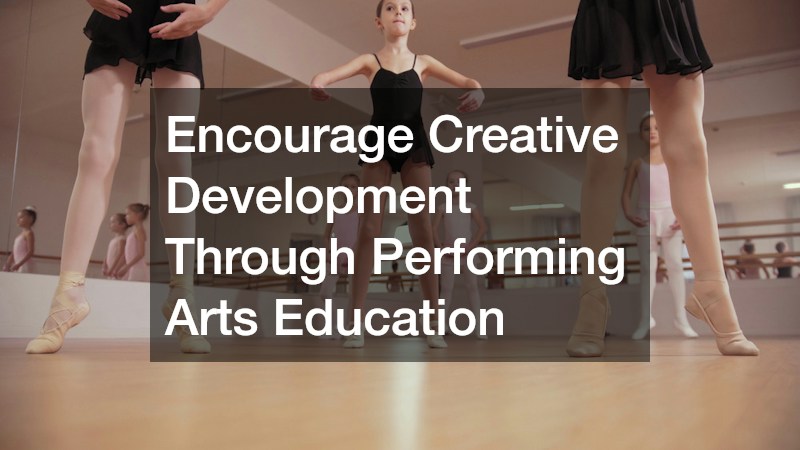
Creative education gives children opportunities to explore interests beyond traditional academic subjects. Music, theater, dance, and other performance activities can encourage self-expression, collaboration, and confidence. These experiences also allow students to discover abilities they may not encounter during ordinary classroom instruction.
Performing arts private schools can provide environments where artistic development is incorporated into students’ broader educational experiences. However, families should examine how creative instruction fits alongside academic responsibilities.
When evaluating these opportunities, consider:
-
The range of available artistic disciplines.
-
Instructor experience and teaching methods.
-
Opportunities for performances and creative projects.
-
Access to appropriate equipment and learning spaces.
-
Expectations for rehearsals and extracurricular participation.
Parents should also consider whether a program supports beginners as well as students with established artistic interests. Children do not need to pursue professional performance to benefit from creative education. Opportunities to practice, collaborate, and share their work can make artistic activities a meaningful part of their development.
The best fit will provide appropriate instruction while allowing students to enjoy the creative process and explore their interests at a comfortable pace.
Support Social Skills Through Structured Group Activities
Extracurricular activities help children develop abilities that extend beyond academic learning. Participating in group activities creates opportunities to communicate, cooperate, follow instructions, and interact with people who share similar interests.
Group dance classes are one option for children who enjoy music and movement. Instructors can introduce choreography, coordination exercises, and activities that encourage students to work together. Classes may also provide opportunities to build confidence through informal or organized performances.
Before enrolling, families should consider:
-
Whether class activities are appropriate for the child’s age and experience.
-
Instructor qualifications and teaching style.
-
Class sizes and opportunities for individual guidance.
-
Scheduling and the time required for practice.
-
Whether the environment encourages participation without excessive pressure.
Parents should also involve children in selecting extracurricular activities. A child who genuinely enjoys an activity is more likely to remain engaged and benefit from the experience.
Avoid filling every afternoon with scheduled programs. Children need time for homework, rest, unstructured play, and family activities. A manageable schedule allows extracurricular interests to complement education rather than compete with it.
Help Adolescents Explore Career Interests Through Practical Education
Adolescence is an important period for exploring personal interests and considering potential career directions. While traditional academic subjects remain important, practical learning opportunities can help students understand how their abilities connect with different professions.
A cosmetology program may appeal to students interested in beauty, personal care, hairstyling, and creative services. Depending on the program, students may encounter instruction involving techniques, sanitation, client communication, and professional expectations.
Families researching career-focused education should investigate:
-
Curriculum: Review the subjects and practical skills covered.
-
Instruction: Ask about instructor qualifications and teaching experience.
-
Hands-on training: Determine how students practice techniques.
-
Program requirements: Understand admission criteria and attendance expectations.
-
Career preparation: Explore how the program addresses professional development.
It is also important to research applicable licensing requirements before enrollment. Requirements can vary by location, and completing a particular program does not necessarily satisfy every professional qualification.
Students should compare vocational opportunities with other educational pathways while considering their interests and long-term goals. Early exploration can help adolescents make more informed decisions about their next steps.
Choose Middle School Opportunities That Prepare Students for the Future
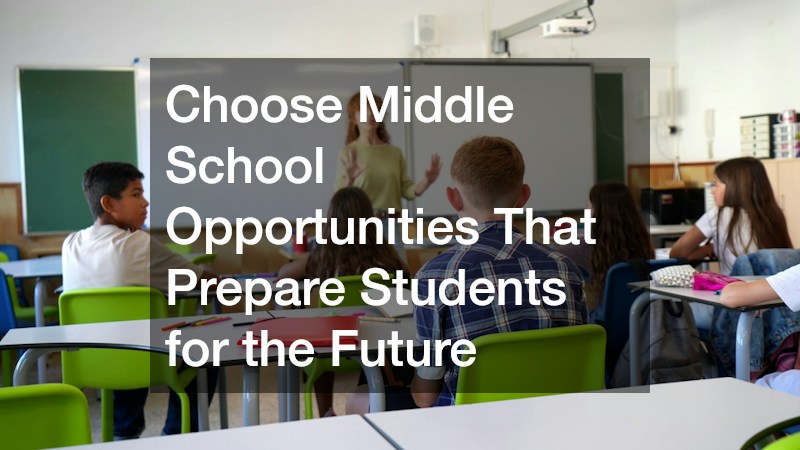
Middle school introduces students to more complex subjects, changing social relationships, and greater responsibility for their education. Students often begin managing multiple assignments, navigating different classroom expectations, and developing stronger organizational habits.
When evaluating a private middle school, parents should consider how the institution prepares students for these changes. Academic expectations matter, but students also need guidance as they become more independent.
Important areas to evaluate include:
-
Curriculum depth and opportunities for academic advancement.
-
Teacher accessibility and student support.
-
Class sizes and instructional approaches.
-
Extracurricular programs and leadership opportunities.
-
Preparation for high school coursework and expectations.
Families can support this transition by encouraging students to manage assignments, use calendars, organize materials, and communicate with teachers when they need assistance. Parents should gradually allow children to take responsibility for their work while remaining available for guidance.
Social development also deserves attention. Middle school students benefit from supportive environments where they can build friendships, develop self-confidence, and learn to navigate disagreements constructively. Regular conversations about school experiences can help parents recognize challenges and celebrate progress.
Build an Educational Path That Grows With Your Child
Educational planning is an ongoing process that should evolve as children develop new abilities, interests, and goals. From early childcare through adolescence, each stage introduces different opportunities and responsibilities. Families can make more informed decisions by considering teaching approaches, student support, classroom environments, and practical learning experiences rather than focusing on reputation alone.
It is equally important to recognize that children develop at different rates and may change their interests over time. An educational environment that works well at one stage may not remain the right fit several years later. Parents should periodically review their children’s experiences and discuss what is working and where additional support may be helpful.
By remaining involved, exploring different opportunities, and maintaining realistic expectations, families can help children build confidence, develop useful skills, and discover meaningful interests. A thoughtful educational path provides room for both academic progress and personal growth.